Session Security
Landscape 2026

Session Security
Landscape 2026
 Introduction
are blind after login
However strong the authentication, after login web apps still rely on bearer tokens as proof of identity.
Attackers can impersonate any legitimate user and bypass any security control, simply by taking possession of the authenticated session.
is this security gap?
We tested ~100 of the world's best SaaS products. Apps with millions of customers, and mature identity security stacks.
We simulated three common in-session attacks: Cookie Replay, Session Hijack, and Identity Impersonation.
We researched95 enterprise SaaS
Best in Class Products in 2026
Operating in 5 business domains
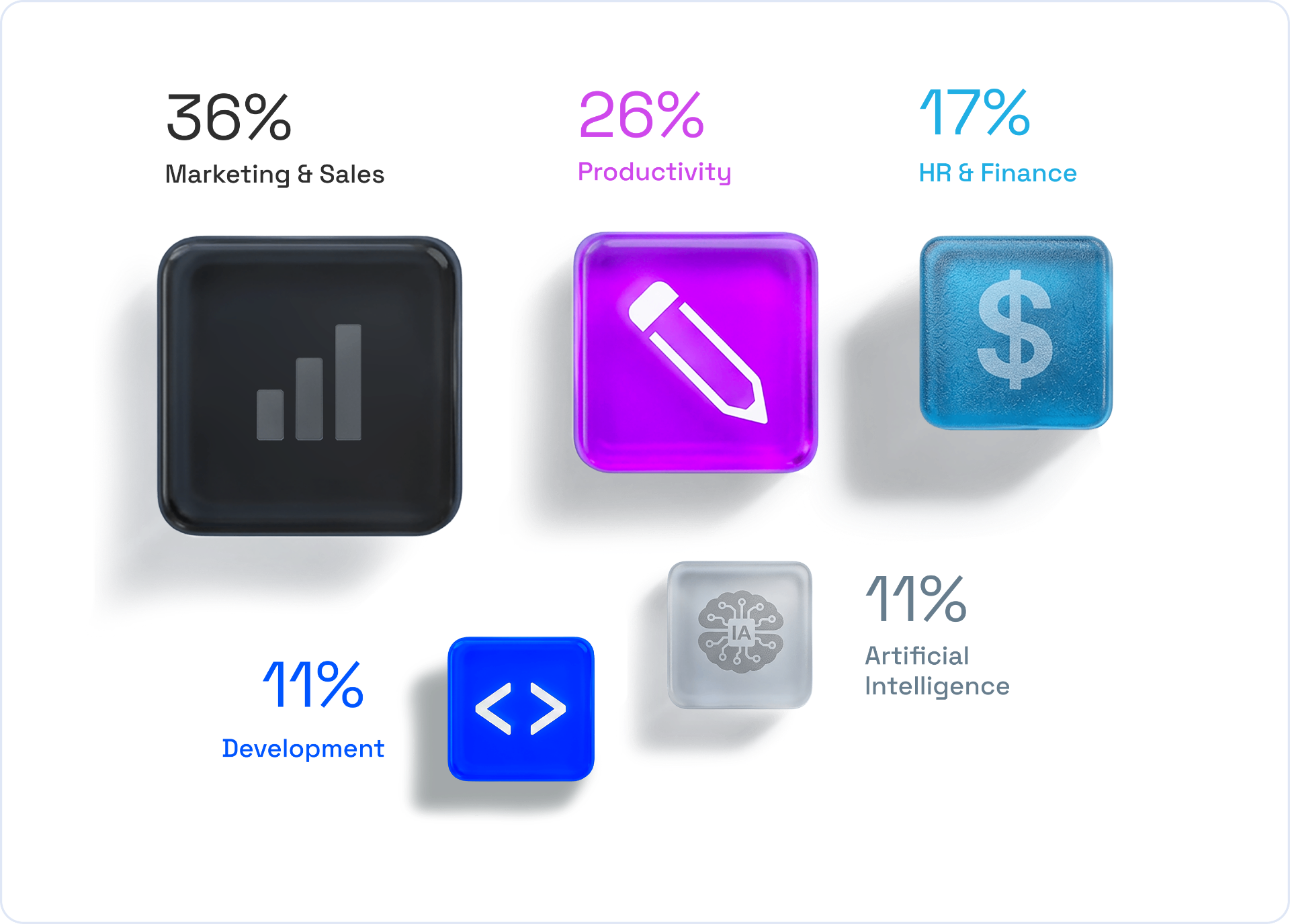
We simulated three real-world attack scenarios targeting authenticated sessions
Exfiltrated material
Device fingerprint
If attack succeeds
Likely no session-level protection
The application cannot distinguish a replayed cookie from the original session.
Stopped by

Session Security
Landscape 2026


are highly exposed
to session attacks

of HR & Finance apps breached via Cookie Replay
Critical Actions
- Downloaded all employees' data
- Sent fake invoices to clients, deleted pending ones
- Deleted employees, exported their data and payrolls
Session Security
Landscape 2026
for session security
Applications ARE blind after the login
In more than 90% of tested apps, session material alone, product of a common infostealer or a malicious extension, dropped an attacker straight into a fully authenticated session. The rate holds even for security and development tools.
There is a vast gap between authentication and session security
Almost every application invested real effort in secure access — strong MFA, phishing-resistant options — with no identifiable session-level defenses in place.

Most attack failures were circumstantial, not structural
Resistance came down to how sessions are managed, not how well they're protected. Only 1 of nearly 100 apps had a purpose-built defense.
Device intelligence is everywhere, but with little effect
Attacks reproducing the victim's device fingerprint succeeded at the same rate as attacks from a different machine. Fingerprinting offered no real assurance.
about this gap?
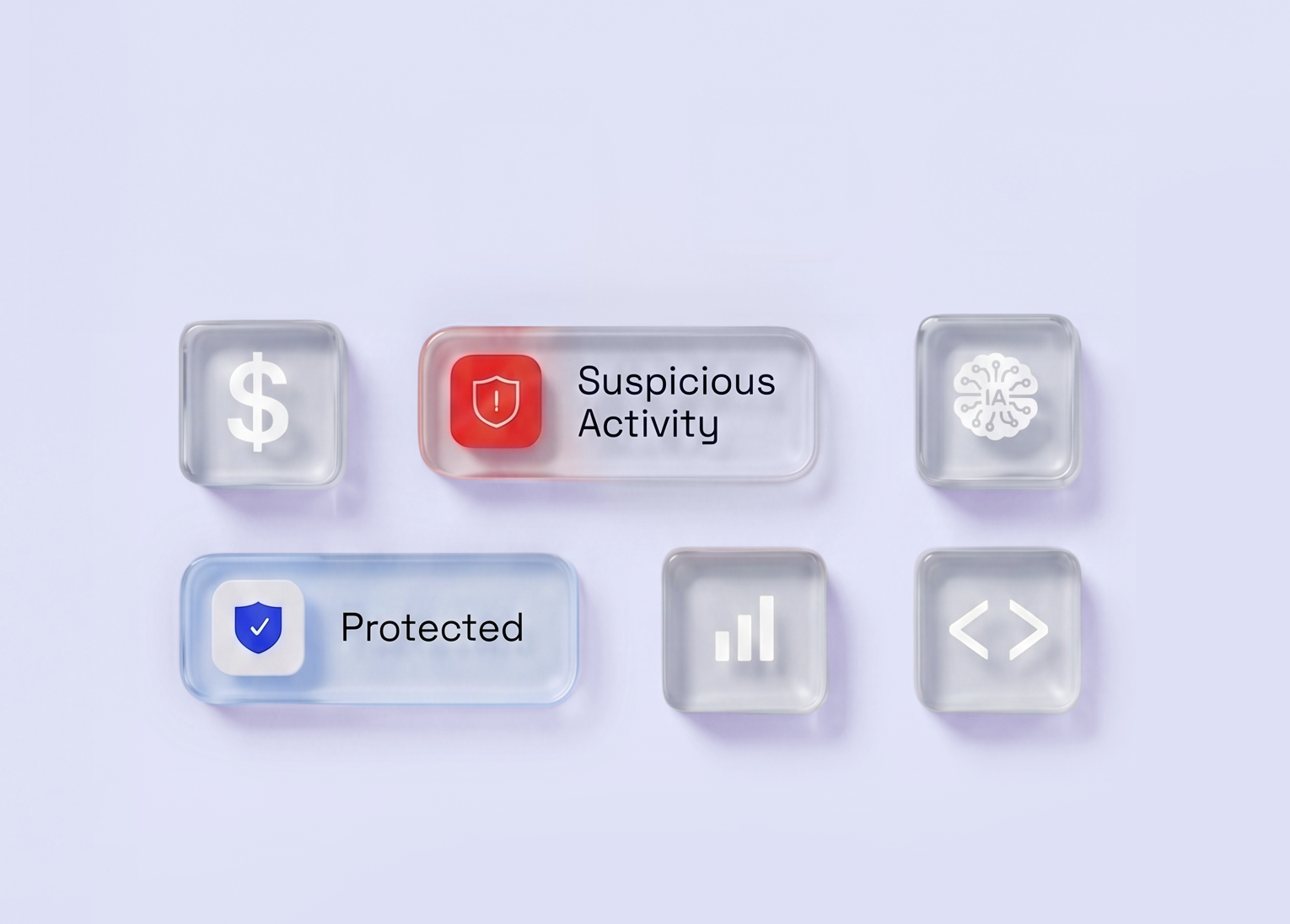
Understand your exposure. Test your apps.
Assume your users' sessions will be compromised, same as their passwords. Test periodically, then prevent, stop, or at least detect the attacks. The kit we used for outside-in testing is linked at the bottom.
Review session integrity best practices.
Good logout hygiene is one of the best blast-radius mitigations. Make sure a signed-out session is irrevocably terminated. Short-lived sessions (<1 hour) help further, with a friction tradeoff.

Match the maturity of access and session security
If users adopt strong MFA, make sure it can't be bypassed with a cookie replay. Consider binding sessions to the legitimate device — e.g. Microsoft / Okta device-binding for SSO and Relock session protection for all applications.
Test Relock session security
Relock offers an open sandbox where you can run the same three attack simulations against a protected application.
Use the same tests to assess your own apps too.




End session attacks
with one solution
For any user, app, browser.
Invisibly.